
.png)


.svg)

Thank you! Your submission has been received!
Oops! Something went wrong while submitting the form.


.png)

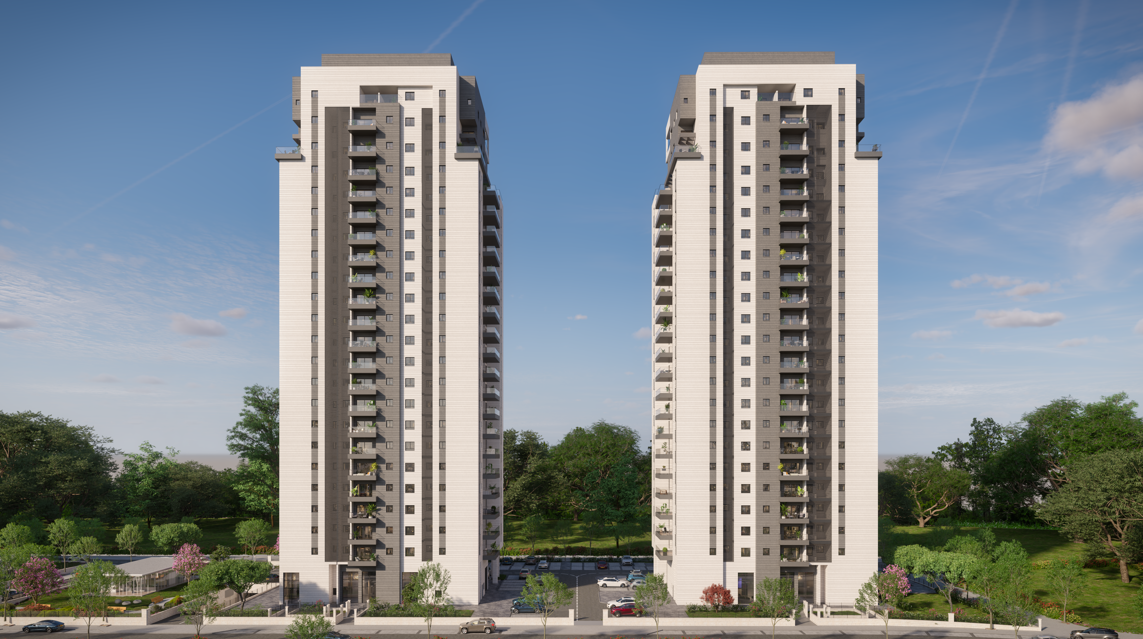
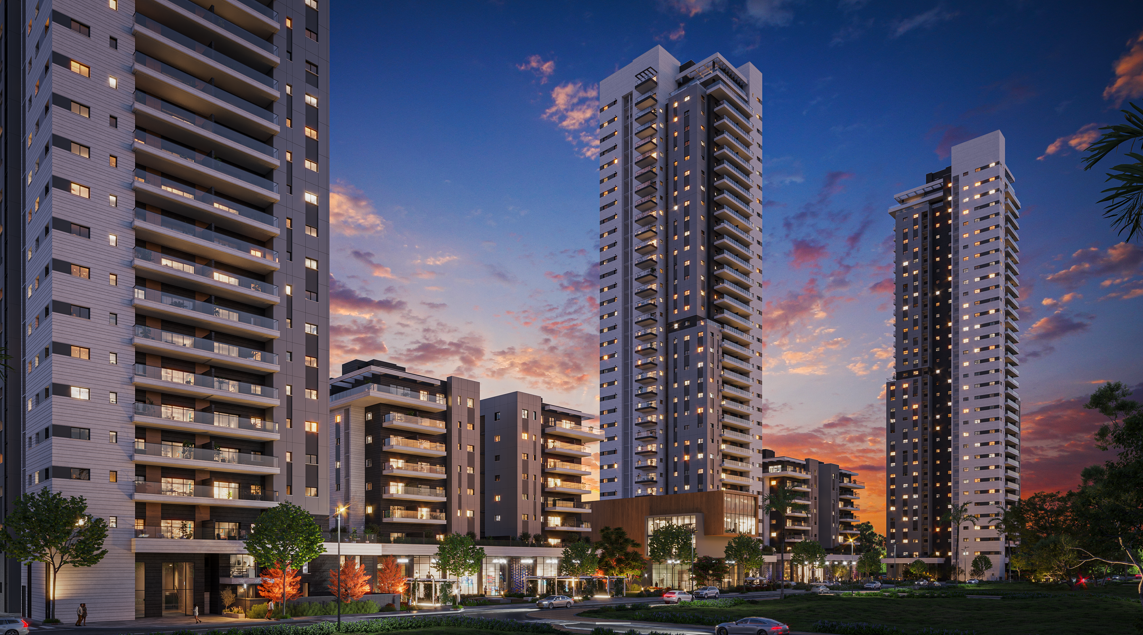
במסגרת הפרויקט יוקמו סך של 750 דירות חדשות במתחם בעירוב שימושים
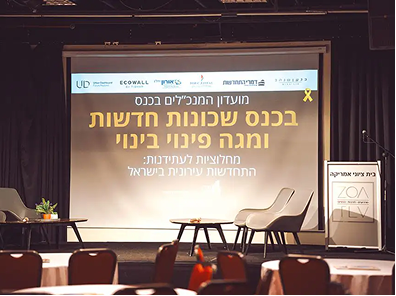
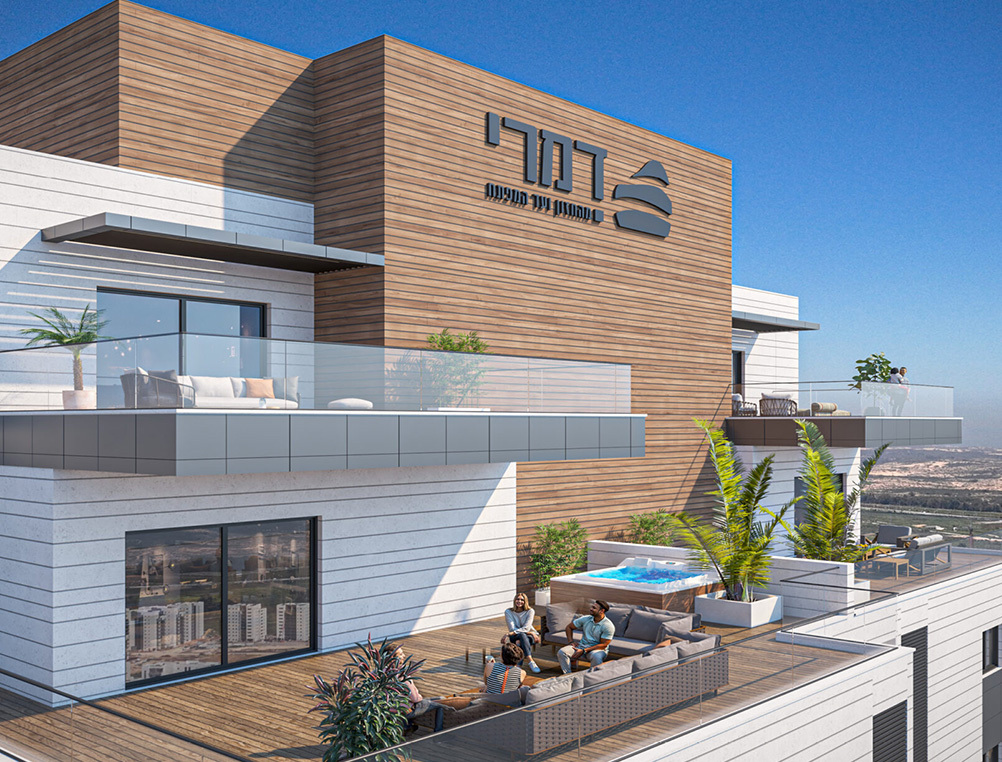
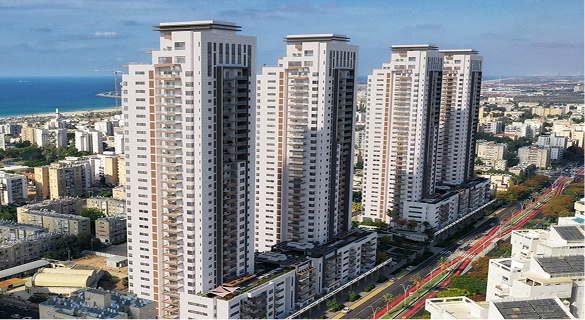
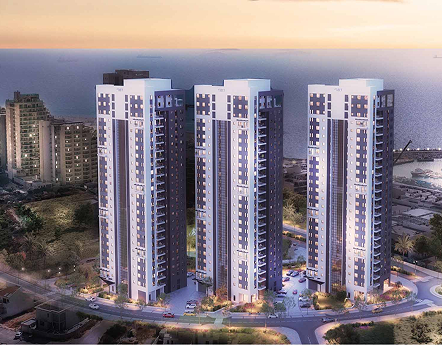
התחדשות עירונית נרחבת, בנייה חדשה של שכונות מגורים עם מרכזי מסחר, תעסוקה, מבני ציבור וכל מה שצריך מתחת לבית
.png)

Urban Renewal Projects
Cities
Apartments
Units under construction
Meet your leading partner in urban renewal. Discover the Damari Renewal Golden Pentagon.






.jpg)

There are two types of urban renewal projects –
1. TAMA 38 (National Outline Plan for Strengthening Existing Buildings Against Earthquakes). TAMA projects are also divided into two types – the strengthening and construction additions track (TAMA 38/1) and the demolition and construction track (TAMA 38/2).
2. Construction evacuation in accordance with the Construction Evacuation Law (Encouragement of Construction Evacuation Projects) 2006.Evacuation and construction projects are intended for implementation in large complexes that include at least 24 units and an area of no less than 4 dunams, compared to projects in accordance with TAMA 38 that are intended for implementation in a single building (building renewal).
From a planning perspective – in building renewal according to TAMA 38, the renewal is carried out at the level of the individual building and the approval of the project is within the authority of the local authority, in contrast to projects carried out according to the Construction and Evacuation Law, which usually require approval from the District Planning and Building Committee.
Changes may be made due to planning constraints or as required by the directives of the competent planning authorities.
The agreement defines material changes as those involving a change to the floor on which the new apartment is located, the failure to attach parking spaces to the new apartment, a reduction in the size of the balconies, or a reduction in the area of the owners' new apartment.
In such cases, the owners shall be entitled to financial compensation from the developer equal to the value of the impairment caused to their new apartment, as determined by an appraiser, up to and including the right to cancel the agreement in the event of material changes, in accordance with the provisions of the evacuation-construction agreement.
Damri is a development company with an in-house construction arm, holding an unlimited C5 classification for residential building. In all of its projects, Damri serves as the executing contractor.
In addition, the company maintains departments across all areas of construction, including planning, licensing, customer relations, urban renewal, engineering, supervision, and more.
According to the Pinui Binui (Evacuation and Construction) Law, an "elderly person" is defined as a property owner who is 70 years of age or older and has resided in their apartment for at least two years at the time the first resident in the building signs the evacuation and construction agreement.
Recognizing the difficulties and complexities of the evacuation process for elderly property owners, the Pinui Binui Law mandates that the developer must offer elderly owners at least one additional option (beyond receiving a replacement apartment) from the following alternatives, allowing the owner to choose between the replacement apartment or the developer's proposed alternative:
* Moving to an assisted living facility by the apartment's evacuation date, including additional balancing payments to match the value of a replacement apartment.
* Purchasing an alternative apartment of similar value to the replacement apartment, to be provided to the elderly person by the time their current apartment is evacuated. If requested, the location should be as close as possible to their original home.
* Receiving a cash sum equivalent to the value of a replacement apartment, to be used by the owner to purchase an alternative apartment (in full or in large part) no later than the date of their apartment's evacuation.
* Two apartments whose combined value is similar to the value of a replacement apartment.
* A replacement apartment smaller than the one originally intended for the owner under the Pinui Binui agreement, supplemented by balancing payments to ensure the total value remains equivalent to that of a standard replacement apartment.
For more information regarding the rights of elderly persons in Pinui Binui projects: <a href="https://www.kolzchut.org.il/he/תמורה_ייחודית_לקשישים_בפינוי-בינוי_(זכות)">Unique Compensation for Elderly Persons in Pinui Binui (Right) – Kol-Zchut</a>
A "recalcitrant" tenant is defined as someone who refuses to sign a Pinui Binui (evacuation and construction) agreement for unreasonable or improper motives.
The law allows for legal action to be taken against such tenants once a qualified majority of apartment owners in the building or complex has been reached, expressing their desire to move forward with the project by signing the agreement with the developer. A "qualified majority" is defined as owners who hold at least two-thirds (66%) of all apartments in the complex, and who also own at least 60% of the apartments in each individual building within that complex, with more than half of the common property in each building attached to their units.
In the course of legal proceedings against a recalcitrant tenant, the court is authorized to:
Determine that the refusing apartment owner is liable for damages to the other owners in the complex who consented to the transaction.
Approve the execution of the transaction by appointing an attorney or accountant (who is not an owner in the complex) to sign the agreement on behalf of the owner, in accordance with the court's instructions.
Yes. Following recent legislative updates, owners of multiple apartments within the same urban renewal (Pinui Binui) project are also eligible for a tax exemption on the transaction, with no limit on the number of apartments they own within that project.
As a general rule, the tax exemption granted in a Pinui Binui (evacuation and construction) project is conditional upon receiving one new apartment in exchange for each existing apartment—that is, a one-for-one exchange.
In cases where two replacement apartments are granted to the owner of a single existing apartment, the second apartment will be subject to full taxation. Beyond the financial and tax implications, receiving two apartments is subject to the developer's consent, planning constraints, and the availability of units within the project.
First, the rent determined by the appraiser will be in accordance with the prevailing market rates at the time of evacuation, plus an additional 3%.
In the event that a property owner is unable to find an alternative apartment at the rent rate set by the appraiser, the developer will fund and engage a real estate agent on their behalf to locate apartments in nearby neighborhoods (in the Herzliya/Ra'anana/Ramat HaSharon area). The appraiser will then update the determined rent, if necessary, by up to 15% above the original appraisal, to ensure it is sufficient to rent an apartment found by the developer's agent or by the owners themselves.
The fundamental premise of urban renewal (Pinui Binui) projects is that apartment owners will not incur any expenses related to the promotion and execution of the project.
Therefore, engagement agreements with the owners' consultants, such as their legal counsel and/or project supervisor, are drafted and signed by the representative committee or the apartment owners themselves. The developer acts solely as the party funding the consultants' fees on behalf of the owners.
Naturally, the apartment owners in the complex, through a representative committee elected by all owners, are the ones who select the law firm, supervisor, appraiser, and any other professionals who will represent them, without any interference from the developer or their representatives.
It should be emphasized that this model is in accordance with the guidelines and decisions of the Israel Bar Association and its Ethics Committee.
In projects that include public housing units (such as Amidar), the agreement with the developer for the urban renewal project regarding these units is handled directly by Amidar, and the replacement units provided under the agreement are allocated to and returned to Amidar.
The placement of tenants into the replacement units received by Amidar, or into other properties owned by Amidar, is determined according to Amidar’s own policies and considerations.
Nevertheless, Amidar tenants residing in these units prior to the evacuation date are entitled to rental payments, assistance in locating alternative housing, and moving expenses, just like all other apartment owners, in accordance with the terms of the urban renewal agreement.
Property Tax (Arnona)
Yes. First, in accordance with existing legislation, those eligible by law are entitled to a discount or exemption from property tax payments and from the increase in property tax rates for the new apartments upon completion of the project.
Beyond what is stipulated by law, during the rental period, the developer will subsidize the difference in property tax and building maintenance (Va'ad Bayit) fees for the temporary apartment for any amount exceeding 350 NIS that the owners would incur for these costs in the rented apartment compared to what they currently pay for their existing apartment.
Management Fees / Building Maintenance
The developer will cover the increase in building maintenance/management fees for owners who choose to reside in the new apartment upon completion of the project.
The developer will fund the full difference between the amount currently paid (if any) in the existing building and the amount to be paid in the new building for these owners for a period of up to 60 months from the date of delivery.
Below is a link to the Kol Zchut website regarding eligibility for property tax exemptions/discounts for new apartments:
<a href="https://www.kolzchut.org.il/he/Property_tax_discount_on_a_replacement_(new)_apartment_in_a_Pinui_Binui_project">Property tax discount on a replacement (new) apartment in a Pinui Binui project – Kol Zchut</a>
For further information, guides, and inquiries regarding owner rights in urban renewal projects, please see the link to the Government Authority for Urban Renewal website:
https://www.gov.il/he/departments/government_authority_for_urban_renewal/govil-landing-page
Damari Urban Renewal is Israel's leading urban renewal company, with over 35 years of experience, financial stability, and a proven track record of successful projects across the country. We build all our projects in-house, committed to the highest construction standards in Israel. We offer a personalized, tenant-focused approach that prioritizes your needs, ensuring a seamless and rewarding urban renewal experience.
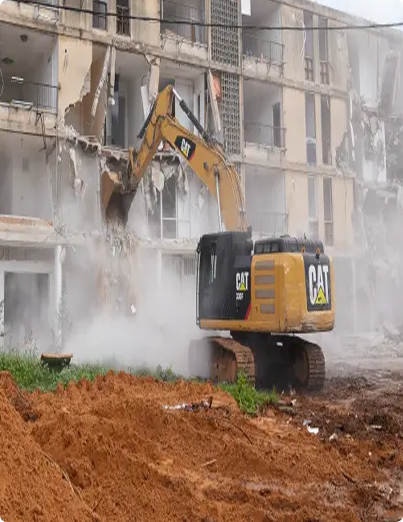
The project will be carried out as a vacate-and-build initiative, involving the demolition of existing structures and the construction of new, modern buildings reinforced against earthquakes in accordance with Israeli standards.
Every apartment owner will receive a new apartment that is 18 square meters larger than their current one, subject to planning constraints.
Yes, every new apartment will include a sun balcony of approximately 10-12 sqm, in addition to the main apartment area.
The new apartments will feature premium technical specifications, which will be no less than the specifications of the developer's apartments in the project (excluding the developer's special units).
Each apartment includes one parking space (not in a stacker system).
Yes, each apartment will include a private storage unit of approximately 4-6 square meters, subject to planning constraints and approval by the planning authorities.
Every new apartment will have at least two exposures. The primary exposures of the current apartment will be maintained in the new apartment, as far as possible.
Throughout the entire duration of the project, Damari Urban Renewal will pay rent to all apartment owners in the project.
Damari Urban Renewal will cover the costs of moving your existing apartment contents to a temporary residence and back to your new apartment upon the project's completion.


%202.svg)
%201.svg)
%201.svg)

About
Your leading partner for renewal Urban and building a developing community